What Actually Makes Our Silicone Different
Medical-grade platinum-cured silicone — what it actually feels like, why it matters, and how long it lasts with real-world care. An honest material guide from an independent silicone doll studio.
I get a version of this question at least three times a week: "What kind of silicone do you use?"
And every time, I want to give a longer answer than what fits in a DM. So here it is.
The Short Version
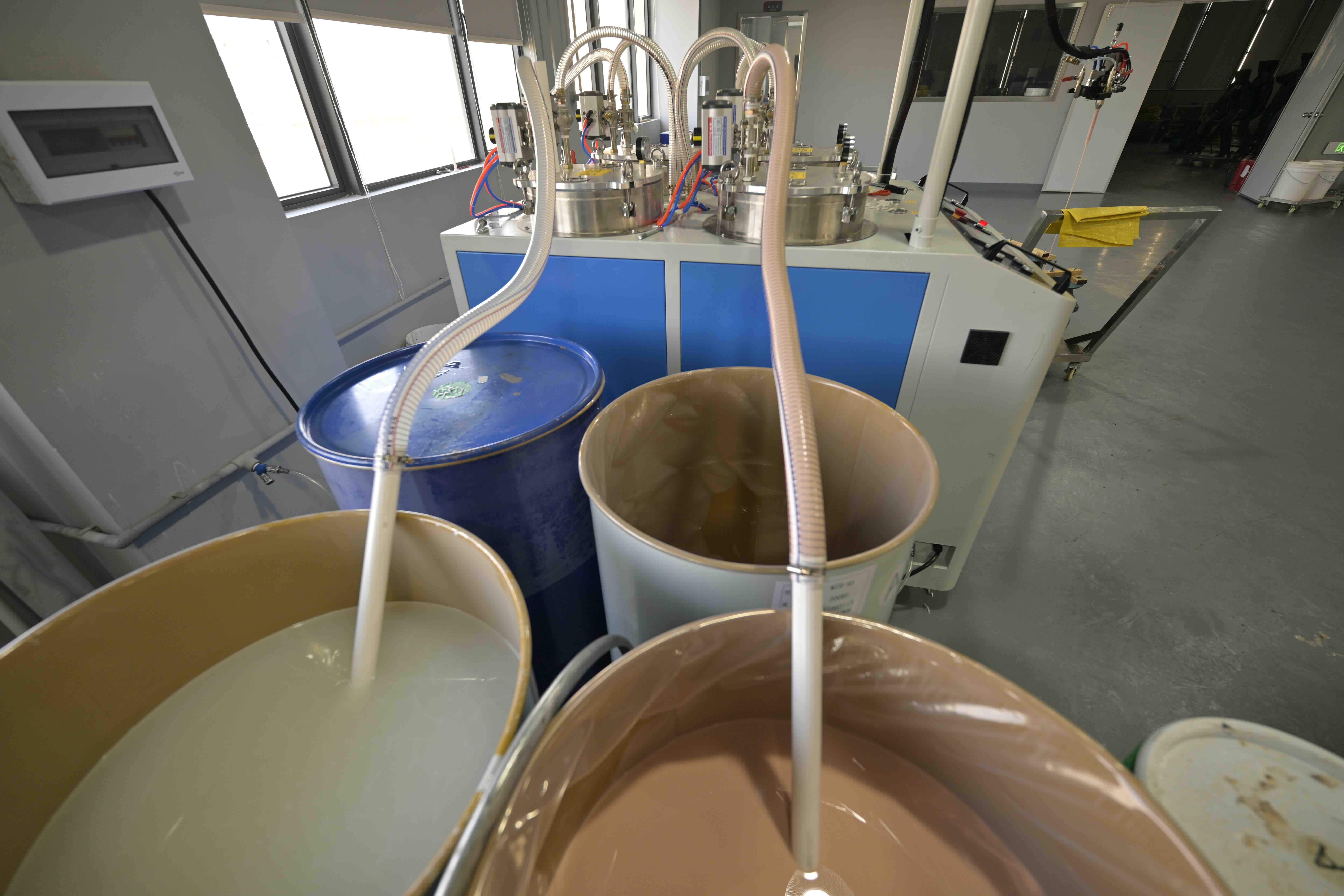
We use platinum-cured medical-grade silicone. It's the same category of material used in medical implants, baby bottle nipples, and prosthetics. It's non-toxic, hypoallergenic, completely odorless, and passed for direct skin contact over extended periods.
But that's what the spec sheet says. Let me tell you what it actually means when you hold one of our pieces.
What "Extra Soft" Actually Feels Like
Most people hear "silicone" and think of something firm. Like a phone case or a kitchen spatula. That's standard silicone, and honestly, that's what a lot of older doll brands still use.
What we work with is different. Our platinum-cure formulation is specifically engineered for softness and elasticity. When you press into the surface, it gives. When you release, it bounces back slowly — not like rubber snapping back, but like skin settling into place.
The closest comparison I can give you: press your thumb into the inside of your forearm, right below the elbow. Watch how the skin depresses, holds for a second, then returns. That's what our silicone does. It's not identical to human skin — nothing is — but it's the closest a material gets without being organic.
The reason we can get this level of softness while keeping the silicone structurally sound is the platinum cure process. Cheaper silicones use peroxide curing, which is faster and cheaper but produces a firmer, less elastic result. Platinum curing takes longer and costs more per kilo, but the molecular structure it creates is fundamentally more flexible.
Why Medical-Grade Matters (Beyond Marketing)
A lot of brands throw around "medical-grade" like it's a buzzword. Here's what it actually means for you:
It means the silicone has been tested and certified as safe for prolonged direct contact with human skin and mucous membranes. No chemical leaching. No off-gassing. No allergic reactions for the vast majority of people.
It also means the material is completely non-porous. Bacteria, mold, and fungus cannot penetrate the surface. This is the single biggest practical difference between platinum silicone and cheaper alternatives — cleaning is simpler, hygiene is easier to maintain, and the material doesn't develop that smell that porous materials inevitably get over time.
If you've ever owned a TPE product and noticed it developing a faint odor after a few months no matter how well you cleaned it, that's porosity. Our silicone doesn't do that.
How Long Does It Last?
Real answer: with reasonable care, 8 to 12 years.
I want to be specific about what "reasonable care" means, because I think some brands are vague about this on purpose.
Reasonable care is: clean after every use with warm water and mild soap. Dry completely before storage. Keep away from direct sunlight and heat sources above 40°C. Apply a light dusting of cornstarch every few weeks to maintain the surface feel. Store lying flat or hanging, not folded or compressed.
That's it. If you do that, the silicone will maintain its elasticity, color, and surface texture for years. I've personally handled pieces that were produced 8 years ago by our manufacturing partner, and they still feel like new. The color had faded slightly — that's normal and inevitable — but the structural integrity was completely intact.
Compare that to TPE, which typically begins showing noticeable degradation — surface tackiness, loss of elasticity, micro-tearing at stress points — within 2 to 4 years even with good care. And lower-quality TPE can start breaking down in under a year.
What Won't It Survive?
I want to be honest about the limits too.
Silicone-based lubricants will damage platinum silicone over time. Use water-based only. This is non-negotiable — silicone on silicone causes the surface to swell and eventually degrade. It's a chemical compatibility issue, not a quality issue.
Extreme heat will soften it. Don't leave it in a hot car or near a space heater. Don't use water above 40°C for cleaning.
Sharp objects will cut it. This sounds obvious, but I've seen damage from fingernails, jewelry, and even belt buckles. Handle with the same care you'd give to actual skin.
Dark-colored fabrics left in prolonged contact can sometimes cause very faint color transfer. This is much less of an issue with silicone than with TPE, but it's not zero. If you're dressing your piece, avoid leaving dark clothing on for extended periods.
The Bottom Line
Our silicone is soft, safe, durable, and as realistic as the material science currently allows. It's not cheap to produce, which is why our pieces cost what they cost. But the per-year cost of ownership is significantly lower than alternatives that need replacing every 2-3 years.
If you're buying something you plan to live with for a while, the material it's made from is the most important decision you'll make. Everything else — the face, the body type, the customization — sits on top of that foundation.
We chose platinum-cure medical-grade silicone because nothing else met the standard we wanted to stand behind. Seven years in, that hasn't changed.
Questions about our material? DM us on Twitter or email service@oceviadoll.com. Browse the full collection at oceviadoll.com