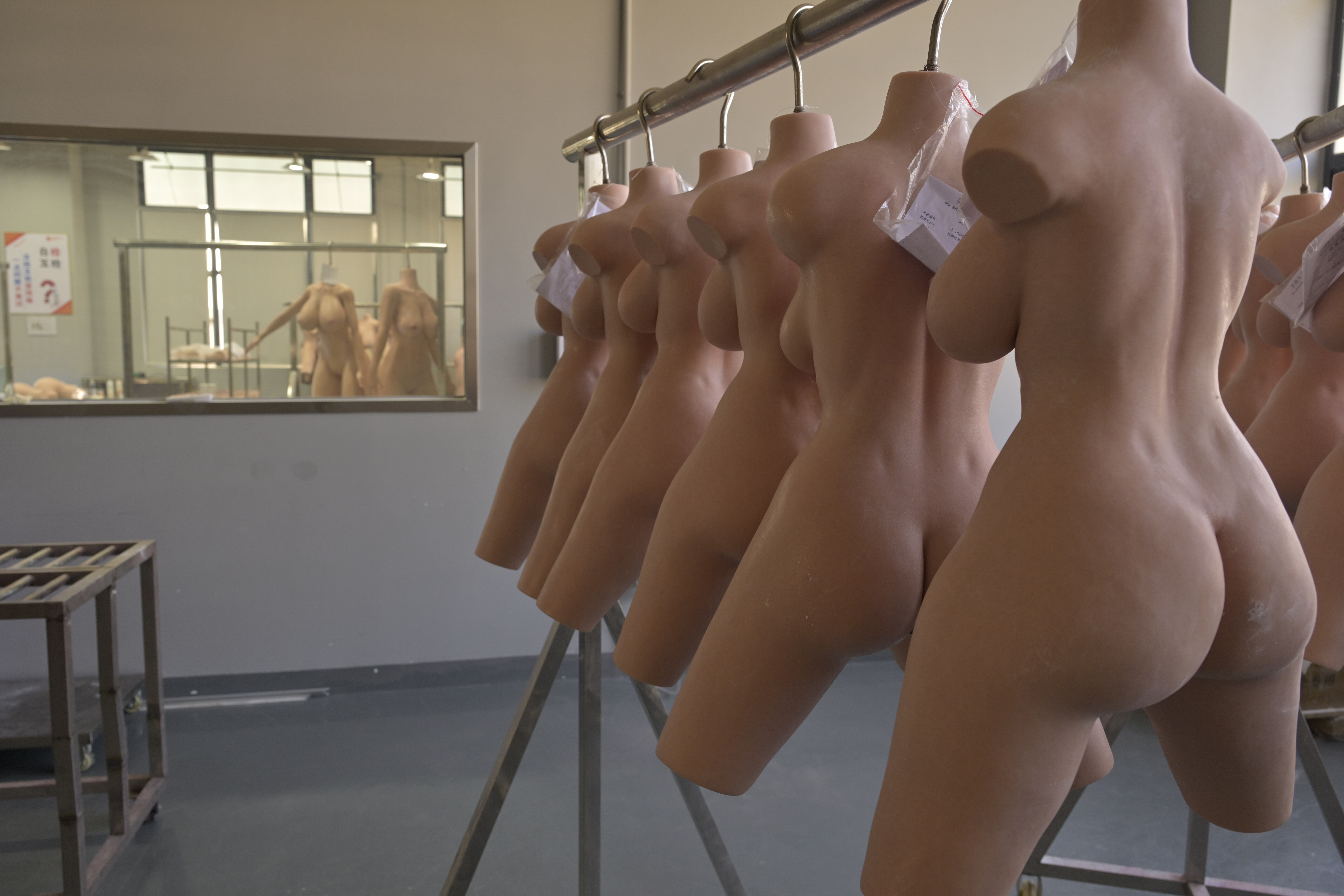
Silicone vs TPE Dolls: An Honest Comparison (2026)
Wondering whether silicone or TPE is the right material for your first doll? An honest, owner-perspective look at the real differences that matter long-term.
Most articles on this topic read like they were written by someone who has never actually owned either material. They list specs. They mention price ranges. They say things like "silicone is more durable" without explaining what that actually feels like a year into ownership.
This isn't that article.
Below is what I've learned from spending real time around both materials — what the differences actually look like in daily life, what the marketing pages won't tell you, and how to think about the choice if you're buying your first doll.
The Short Answer First
If you have the budget and you're planning to keep her long-term, silicone is the better call.
If you're testing the waters, want a softer feel above all else, or you're on a tighter budget, TPE makes a lot of sense — and modern TPE is much better than it was five years ago.
Most regret stories I've heard come from people who went TPE expecting silicone-level longevity, or who went silicone expecting TPE-level softness. The materials are different. Knowing what each one actually does is most of the decision.
The rest of this post is the part the marketing pages skip.
What Each Material Actually Is
TPE stands for thermoplastic elastomer. It's a soft, rubber-like material that mimics skin texture really well — arguably better than silicone in terms of pure tactile softness. It's also significantly cheaper to manufacture, which is why most entry-level dolls use it.
Silicone — specifically platinum-cure silicone, which is what serious studios use — is a higher-grade material. It's firmer, holds detail better, doesn't degrade as quickly, and feels closer to actual skin in terms of weight and resistance, even if the softness factor is slightly lower.
That's the spec-sheet version. Here's what it actually means.
Touch and Feel
The honest truth: TPE feels softer when you first touch it. There's no contest there.
But "softer" isn't the same as "more lifelike." Real skin has a particular kind of give — it's soft, yes, but it has resistance underneath. It pushes back a little. High-quality silicone captures that better than TPE, which can feel a bit too yielding once you've spent enough time with both.
Most people who upgrade from TPE to silicone say something similar. The first few minutes feel firmer than they remember. By the end of the first day, they don't want to go back.
Durability and Lifespan
This is where the gap really shows.
A well-cared-for TPE doll typically lasts 3-5 years before noticeable degradation — small tears at high-stress points, oil seepage that requires more frequent powdering, color absorption from clothing that becomes harder to remove. None of this is sudden. It happens slowly, and you stop noticing it the way you stop noticing a chip in a coffee mug. But it's there.
A well-cared-for silicone doll typically lasts 8-12 years with the same level of care. Some owners report 15+ years on platinum-cure silicone pieces. The material is more resistant to tearing, doesn't seep oil, and doesn't absorb color nearly as easily.
If you do the math on cost-per-year, silicone often comes out ahead even though the sticker price is higher.
Cleaning and Maintenance
TPE is porous. That means it can absorb things — water, oils, dye from clothing, bacteria if you're not careful. You'll need to powder her regularly (cornstarch or talc-free baby powder) to maintain the skin feel and prevent it from getting sticky. Cleaning has to be thorough each time.
Silicone is non-porous. It doesn't absorb water or oils. You can clean it with mild soap and warm water and be done. You don't really need to powder silicone — some owners do for the texture, but it's optional, not required.
If you don't want to deal with regular powdering and worry about staining every time you put dark clothing on her, silicone is going to make your life much easier.
Color Transfer (The Underrated Problem)
This one catches a lot of new owners off guard.
TPE absorbs color from fabric, especially dark or brightly dyed material. Wash any new clothing before putting it on a TPE doll, and even then, leaving her in dark lingerie for an extended period can leave faint marks that are nearly impossible to remove fully.
Silicone is much more resistant to this. You can still get staining if you're careless with low-quality fabrics, but it takes much more abuse before it shows.
If you plan to dress her up often and experiment with outfits, this matters more than it sounds.
Weight and Posing
Silicone is denser. A silicone doll typically weighs 10-20% more than a comparably-sized TPE doll. This sounds like a downside, but it actually makes her feel more real when you hold her — she has weight, gravity, the kind of physical presence a real body has.
For posing, both materials are similar in terms of what the internal skeleton allows. TPE has slightly more give at the joints, which some people prefer. Silicone holds poses a little better.
Neither material handles extreme positions well. Both will degrade faster if you force her into stress poses for long periods. Treat her gently regardless of material.
Heat and Climate
Both materials can be damaged by sustained heat — sunlight, heaters, hot water above body temperature. Don't leave either material in a hot car.
TPE is slightly more vulnerable here. It can soften and even slowly deform if exposed to heat for long periods. Silicone is more stable.
If you live somewhere hot or you're worried about climate control in your space, this is another point in silicone's favor.
Price
This is where TPE wins outright.
A quality TPE doll typically costs $1,500 to $3,500 depending on size and customization. A comparable silicone doll runs $2,500 to $6,000+. For full bespoke silicone, prices can climb significantly higher.
It's a real gap. For first-time buyers who aren't sure if this is something they'll stick with, the TPE price point is much easier to justify.
The counterpoint, again, is longevity. If a TPE doll lasts you 4 years and a silicone doll lasts you 10, the per-year cost evens out — and the silicone experience is generally better throughout that time.
What Most People Get Wrong
A few things I see come up repeatedly that I think are worth flagging:
"Silicone is harder, so it doesn't feel real." This was true a decade ago. Modern platinum-cure silicone, used by serious studios, is engineered for a softer feel without losing the structural advantages. The "silicone feels like a mannequin" reputation is outdated.
"TPE is fine if you just take care of it." Care helps, but it doesn't change the underlying material properties. TPE will absorb things. TPE will degrade faster. You're slowing the process down, not stopping it.
"More expensive means better." Not automatically. A poorly-made silicone doll from a sketchy factory will be worse than a well-made TPE doll from a reputable studio. The material matters less than the studio's craftsmanship.
How to Think About Your Decision
A few questions worth sitting with:
How long do you expect to keep her? If under 5 years, TPE is fine. If 5+ years or you're not sure, silicone pays for itself.
How much do you care about ongoing maintenance? If powdering, careful clothing selection, and more careful cleaning bother you, go silicone.
What does your budget actually allow? A high-quality TPE doll beats a low-quality silicone one. Don't stretch into a bottom-tier silicone studio just to say you got silicone — material doesn't fix poor craftsmanship.
What matters more to you, softness or longevity? This is the core trade-off. Be honest about which one you'd actually regret not having.
A Quiet Note at the End
There's no wrong answer here. Both materials make good dolls. Both have given thousands of people something they value. The "best" material is the one that matches how you actually plan to live with her.
If you're still unsure, take your time. This isn't a decision that needs to be made today. The studios that are worth buying from will still be there next month.
And whichever way you go — treat her well, and she'll be there for you longer than the spec sheet predicts.